
Bonfire Night guide · 6 min read
Bonfire Night: Ways to Keep Dogs Calm During Fireworks Compared
For many of us, Bonfire Night means sparklers, toffee apples and frosty evenings. For our dogs and cats it can feel very different. Sudden bangs, flashes and the smell of smoke arrive without warning, and the animals who trust us most can be left trembling, hiding or desperate to escape.
The good news is that there is plenty you can do to help. In this guide we weigh up the most common ways to keep dogs calm during fireworks, look at what works for cats, and explain why making sure your pet can always be identified matters more than ever at this time of year.
By Our Gift Shop · October 2026
Key takeaways
- Walk dogs early, in daylight, before the fireworks usually begin, and keep them on a lead.
- A safe den with familiar bedding gives a frightened pet somewhere to retreat on their own terms.
- It is fine to offer gentle comfort if your pet comes to you, and never tell them off for being scared.
- Check collar ID and microchip details are up to date, because frightened pets can bolt.
- For severe fear, speak to your vet well before Bonfire Night rather than on the day.
Why Fireworks Feel So Frightening to Pets
Dogs and cats hear a far wider range of sounds than we do, and fireworks are loud, sudden and impossible for them to predict. There is no way for a pet to understand that the noise is harmless, so their instinct is to hide, flee or stay on high alert until it stops.
Fear can show itself in lots of ways. Look out for:
- Trembling, panting or drooling
- Pacing, whining or barking
- Hiding behind furniture or under beds
- Clinging to you, or trying to get out of the house
- Toileting indoors or refusing food
Every animal is different. Some barely notice the bangs, while others find the whole season distressing. Knowing what is normal for your own pet helps you spot when they need extra reassurance, and it is the starting point for choosing which calming options suit them best.
A flashing LED collar helps keep your dog visible on darker autumn walks before the fireworks begin.
Before the Bangs Begin: Walks, ID and Preparation
Much of the work happens in the days before Bonfire Night. Fireworks often start well before 5 November and carry on for a while afterwards, so it helps to plan for the whole season rather than a single evening.
Walk earlier in the day
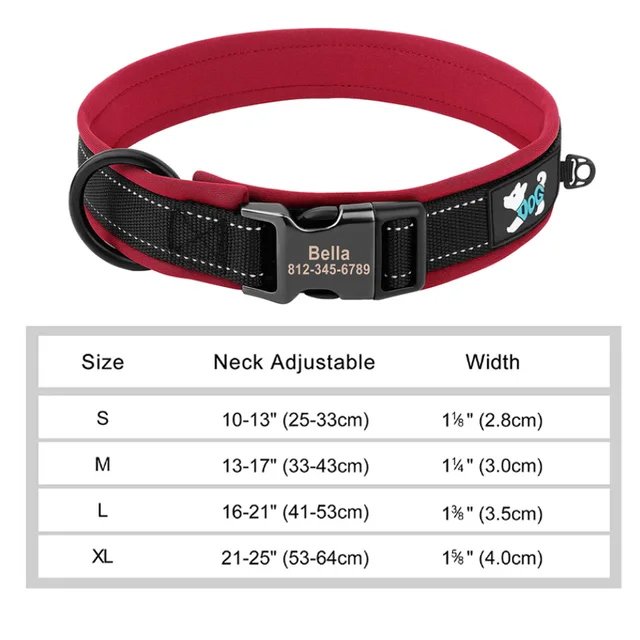
Aim to walk your dog in daylight, before fireworks are likely to start. Keep them on a lead even in places where they are usually trusted off it, because one unexpected bang can send even a calm dog running. As the evenings draw in, a reflective personalised nylon dog collar or a flashing LED dog collar helps keep them visible on darker walks.
Check their identification
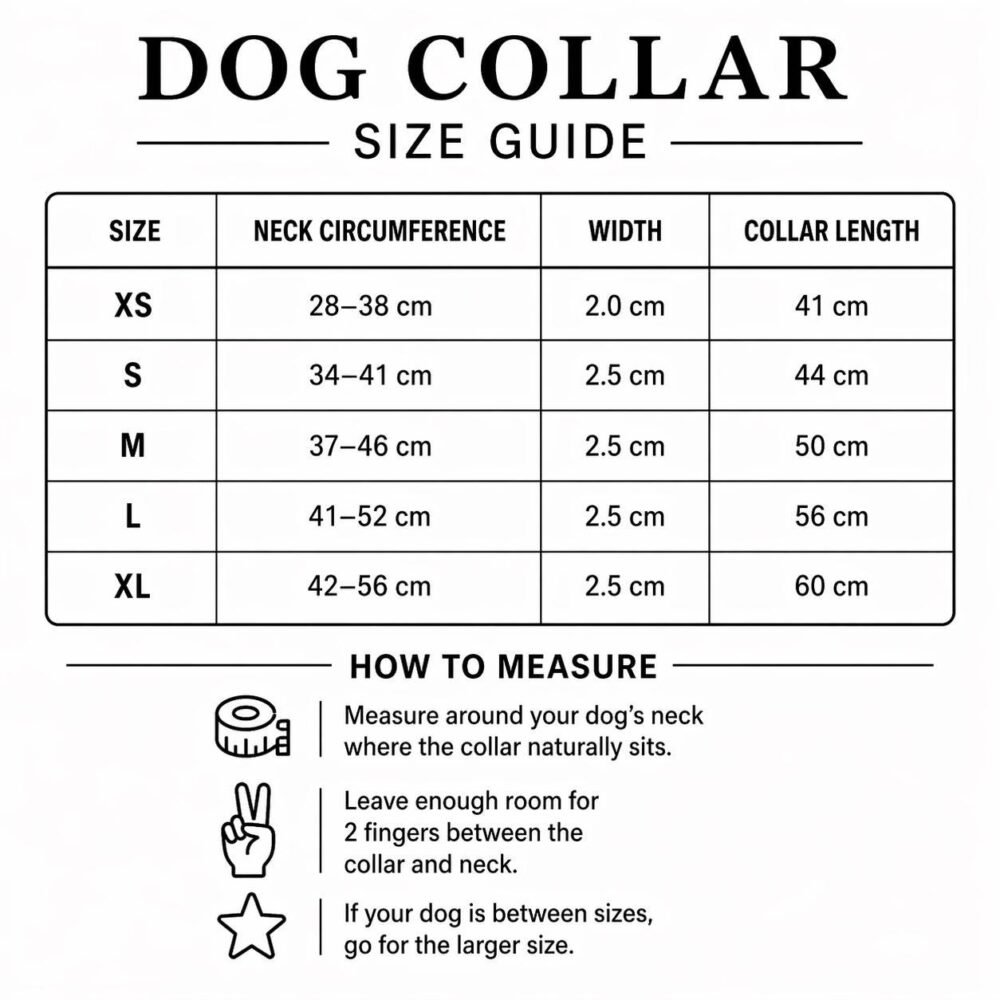
Frightened pets can slip out of doors and gardens surprisingly quickly. In the UK, dogs in public must wear a collar with their owner’s name and address on it, and dogs must also be microchipped. Take a moment to check the microchip database has your current details, and that your dog’s collar ID is clear and readable. A personalised collar with details engraved straight onto the buckle or name plate means there is no dangling tag to lose. Personalisation is free, and personalised items take around two weeks to arrive, so ordering now gives you time before the busiest nights.
Make the house secure
Check fences, gates and doors, and make sure everyone at home knows to keep outside doors closed on fireworks evenings.
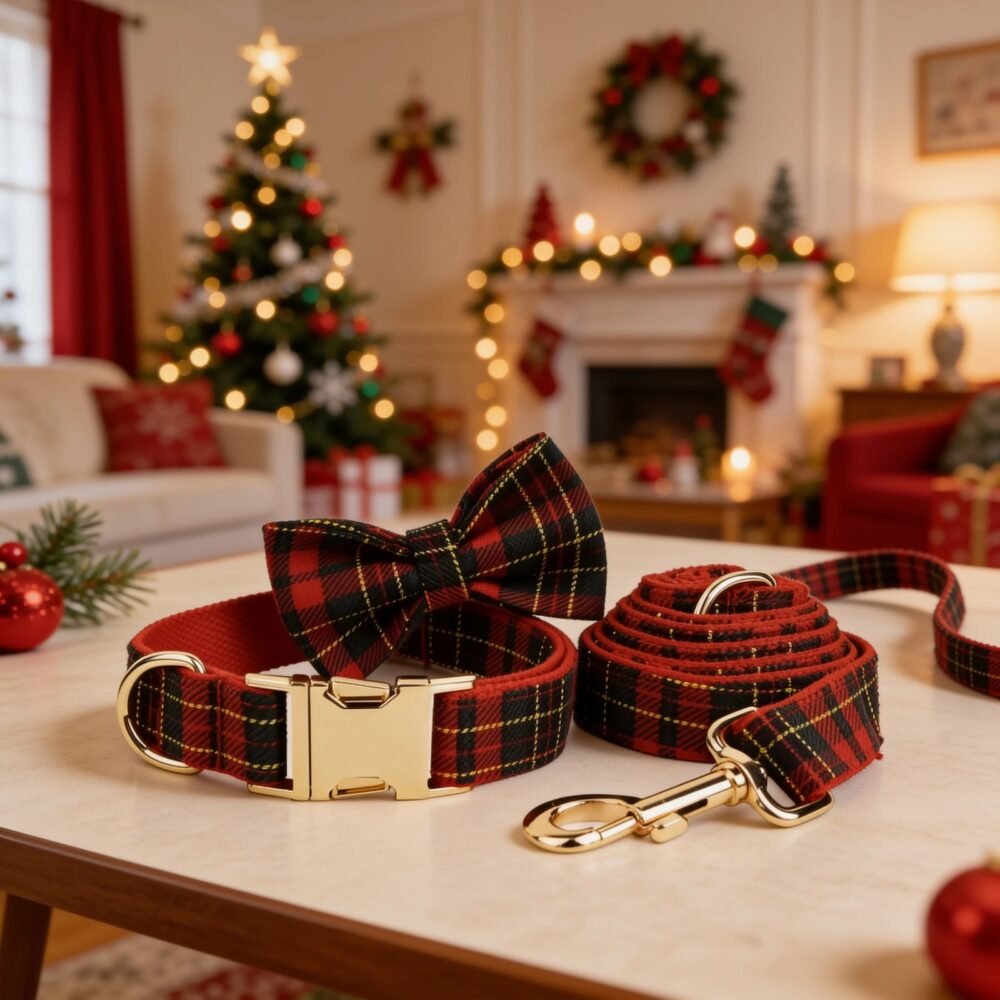
Christmas Tartan Dog Collar with Bow Tie – Personalised Engraved Buckle
From £16.99
A padded reflective collar with your name and number engraved on the buckle, ideal for early-evening walks through fireworks season.
Comparing the Calming Options at Home
There is no single right answer, and many owners combine several approaches. Here is how the most common options weigh up.
A safe den
A quiet corner, covered crate or space behind the sofa, lined with familiar bedding and a favourite toy, gives your pet somewhere to retreat. Set it up a few days early so it already feels like home. Let your pet choose to use it rather than shutting them in.
Closing curtains and adding background sound
Drawing curtains reduces the flashes, and the television, radio or calm music can soften the sharpness of the bangs. This is simple, free and works well alongside a den.
Staying home with them
Your presence is one of the most reassuring things you can offer. If your pet comes to you for comfort, it is fine to give it calmly. Staying relaxed yourself helps too, as pets pick up on our mood.
Distraction
A chew, a puzzle feeder or a gentle game can help some dogs, but only if they are interested. A very frightened pet may not want to play, and that is perfectly okay.
Calming products
Pheromone diffusers, calming wraps and similar products are widely available. Some owners find them helpful, but results vary between animals. Your vet can advise on whether they are worth trying for your pet.
Longer-term sound training
Gradually getting a pet used to recorded firework sounds at very low volume can reduce fear over time. It needs to start well ahead of the season and go slowly, so it is best seen as a plan for next year, ideally with guidance from your vet or a qualified behaviourist.
Calming Options for Fireworks Night Compared
| Option | Best for | Things to weigh up |
|---|---|---|
| Safe den | Pets who like to hide | Set up days ahead; never force them in |
| Curtains and background sound | Most dogs and cats | Easy and free; works best combined with other steps |
| Staying home with them | Pets who seek company | Stay relaxed; comfort calmly if they come to you |
| Distraction with chews or games | Mildly worried dogs | Very scared pets may not engage |
| Calming products | Owners wanting extra support | Results vary; ask your vet first |
| Sound training or vet treatment | Pets with severe fear | Needs planning well in advance |
Helping Cats Through Fireworks Season
Cats often cope by hiding, and the kindest thing we can do is let them. Bring them indoors before dark on fireworks nights, lock the cat flap and provide a litter tray so they have no reason to go out.
- Offer hiding places: cats often feel safest up high or tucked away, so leave cupboards, wardrobes or a box with a blanket accessible.
- Don’t coax them out: let your cat come out in their own time.
- Keep routines steady: feed at the usual times and keep the house calm.
Identification matters for cats too. In England, pet cats are now required to be microchipped, so check your details are current. If your cat wears a collar, make sure it fits well and suits their lifestyle; many owners choose quick-release designs for cats that roam. Our personalised cat collar with a custom ID tag is one option for adding your contact details in a clear, readable way.
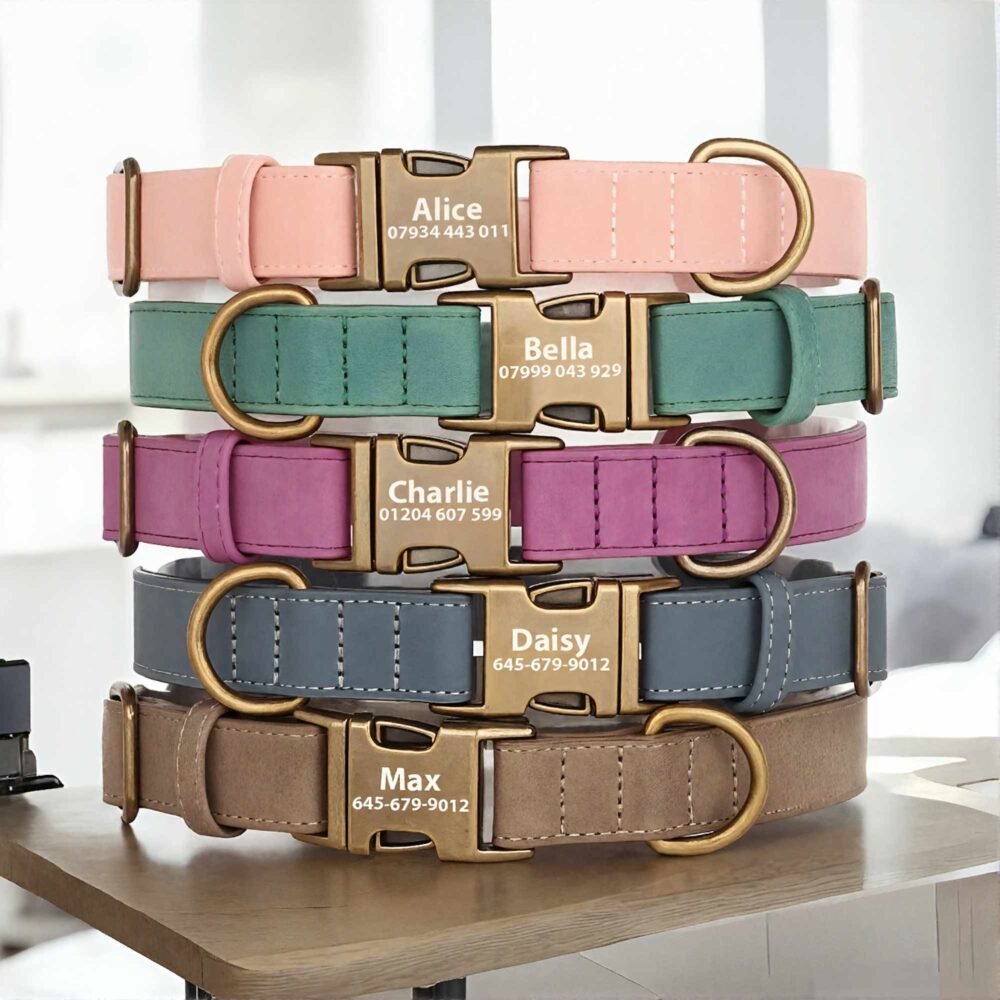
Personalised Cat Collar with Custom ID Tag, Metal Buckle
From £11.49
A personalised cat collar with a custom ID tag, so your contact details are clear if your cat ever gets spooked and goes missing.
When to Speak to Your Vet
If your dog or cat becomes extremely distressed, injures themselves trying to escape, or is still unsettled days later, it is worth talking to your vet. They can look at your pet’s overall health, suggest calming approaches and, where appropriate, discuss medication.
Timing is important. Some treatments need to be started ahead of time, so book an appointment in the weeks before Bonfire Night rather than on the evening itself. Never give your pet human medicines, as some can be harmful to animals.
Above all, remember that fear is not bad behaviour. Patience, a calm voice and a safe place to rest say more to a frightened pet than any words ever could, and those quiet evenings together are part of the bond you share.
Frequently asked questions
Is it okay to comfort my dog during fireworks?
Yes. If your dog comes to you for reassurance, it is fine to offer calm, gentle comfort. Try to stay relaxed yourself and never tell them off for being scared.
When should I walk my dog on Bonfire Night?
Walk earlier in the day while it is still light, before fireworks are likely to start. Keep your dog on a lead, even if they are normally reliable off it.
Will a personalised collar arrive before Bonfire Night?
Personalised items are made and dispatched within 7 days and then take 7-9 days to arrive, so about two weeks in total. Ordering in mid-October usually gives you time, and delivery is free on every order.
Should I keep my cat indoors during fireworks?
Yes, bring cats in before dark on fireworks nights, lock the cat flap and provide a litter tray. Give them quiet places to hide and let them come out when they are ready.
Make it theirs
Every collar personalised with their name and your number – included in the price.
More from the blog
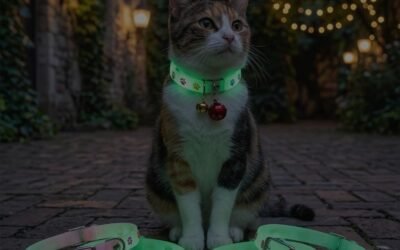
Halloween Costumes for Dogs: 6 Spooky Myths Busted
Does your dog really want to be a pumpkin? We bust six common Halloween myths, from costumes and chocolate to collars and doorbells, so 31 October is fun for everyone.
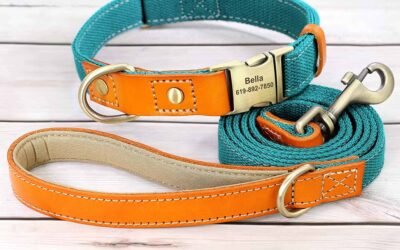
How to Get Your Puppy Used to a Collar: A Step-by-Step Guide
Most puppies scratch, wriggle or freeze the first time they wear a collar. These five calm, simple steps will help your pup accept their first collar and walk out confidently.
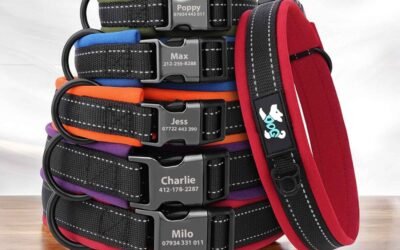
Dog Walking in the Dark: 7 Ways to Stay Safe This Autumn
With the clocks going back on 25 October, many of us will be walking our dogs in the dark. Here are seven simple ways to keep your dog visible, identifiable and safe.
Personalise their collar
-
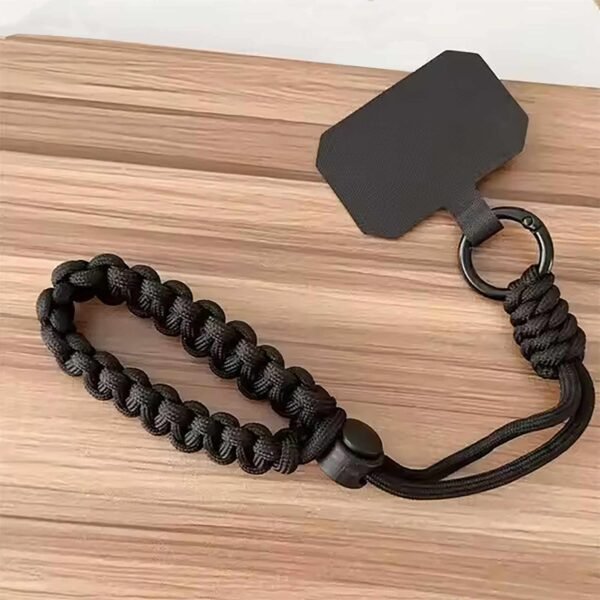
Handwoven adjustable mobile iPhone, Samsung, universal lanyard wrist strap
£7.99 -
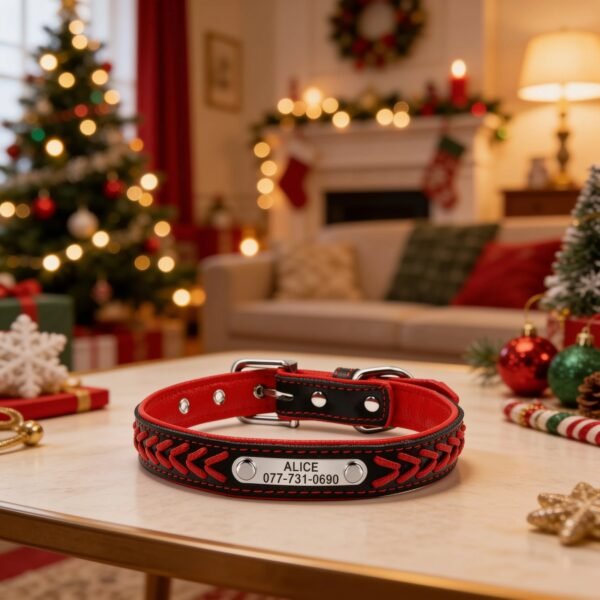
Christmas Red Braided Faux Leather Dog Collar – Personalised Engraved Name Plate
Price range: £12.00 through £21.99 -
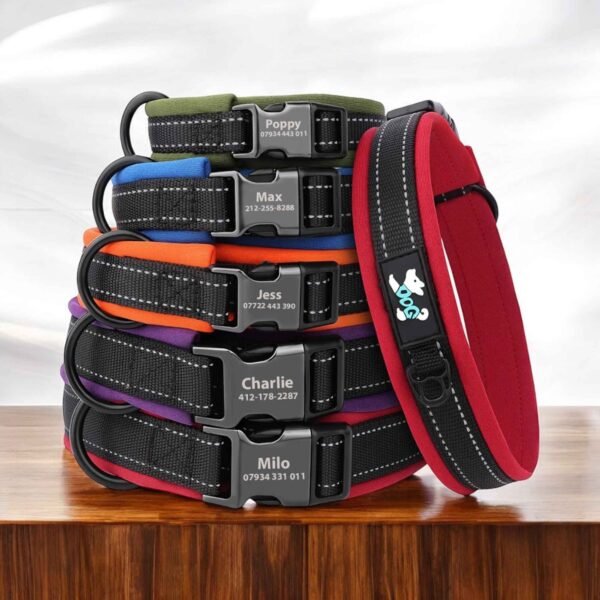
Reflective Nylon Dog Collar – Personalised Engraved ID, Padded
Price range: £14.50 through £17.00 -
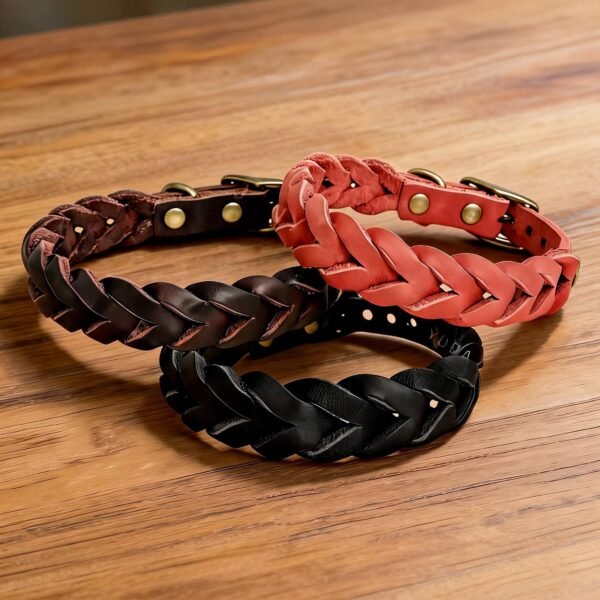
Braided Genuine Leather Dog Collar – Premium
Price range: £28.00 through £36.00
Keep Their Name Close This Bonfire Night
Free personalisation on every collar.