
Puppy guide · 6 min read
How to Get Your Puppy Used to a Collar: A Step-by-Step Guide
Bringing a puppy home is exciting, and one of the first practical jobs on your list is getting them used to wearing a collar. For a puppy who has never felt anything around their neck, it can be a strange sensation. Some scratch at it, some roll on the floor, and some simply sit and refuse to move.
The good news is that almost every puppy adapts quickly with the right approach. This step-by-step guide walks you through choosing a suitable first puppy collar, fitting it correctly, building positive associations and keeping it comfortable as your puppy grows.
By Our Gift Shop · October 2026
In short
- Choose a lightweight, adjustable first collar rather than a heavy statement piece.
- Use the two-finger rule to check the fit, and recheck it often as puppies grow fast.
- Keep early sessions short, calm and rewarding with treats, play and praise.
- In public, UK dogs must wear a collar or tag showing the owner’s name and address, so add ID before the first walk.
- Microchipping is a legal requirement too, but it works alongside a visible ID collar rather than replacing it.
01Step 1: Choose a lightweight, adjustable first collar
A puppy’s first collar should be something they barely notice. Heavy, wide or stiff collars can feel restrictive to a small neck, so start with a light, flexible material and save the chunkier designs for later.
Look for these features:
- Light, soft material. Nylon is a popular choice for puppies because it is light, flexible and easy to wash after muddy garden adventures.
- Plenty of adjustment. Puppies grow quickly, so a collar with a generous adjustment range will last longer.
- A secure buckle. It should fasten firmly and be easy for you to open and close.
- Room for ID. A name plate or engraved tag means you are ready for walks once vaccinations allow.
Our nylon dog collars are a sensible starting point, and the personalised stripy nylon collar with name plate is lightweight and soft, with your puppy’s details added free.
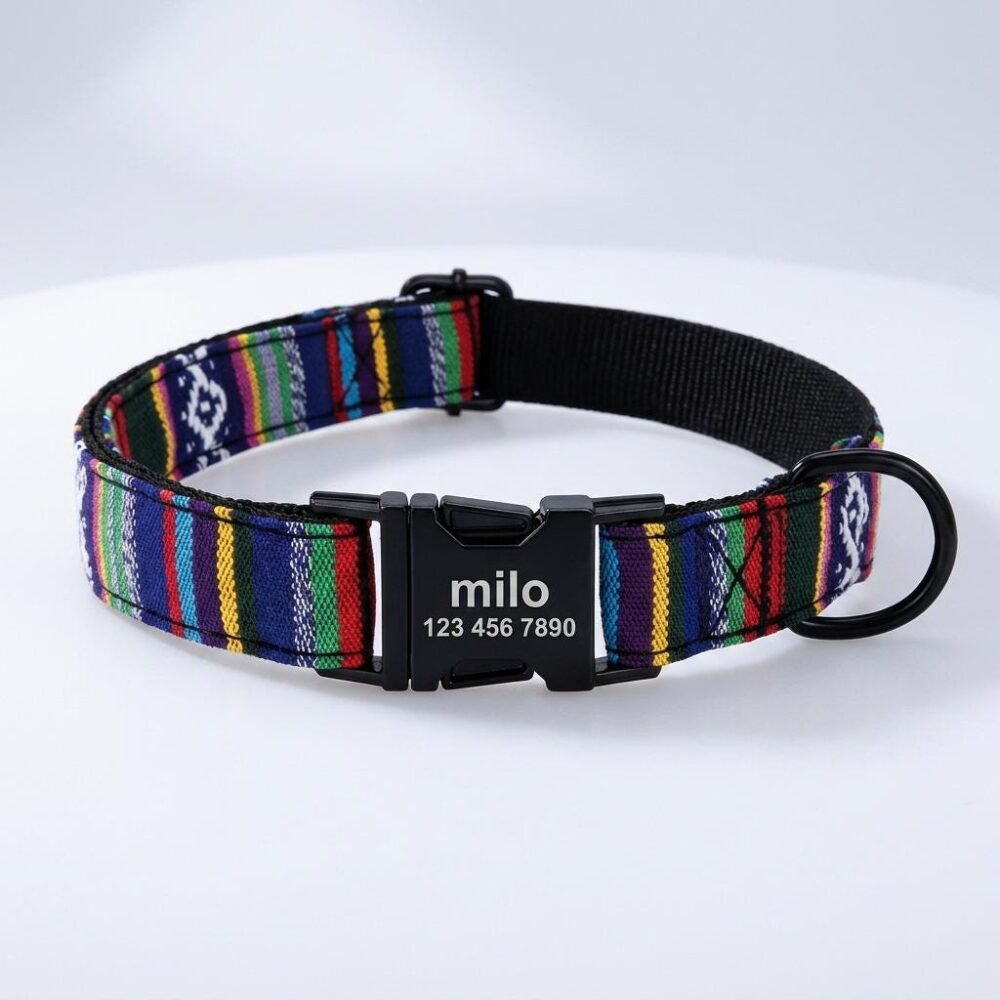
A soft, lightweight nylon collar with a name plate makes a comfortable first puppy collar.
02Step 2: Get the fit right with the two-finger rule
A collar that is too loose can slip over your puppy’s head, while one that is too tight can rub or restrict breathing. Before you put it on for the first time, measure around your puppy’s neck with a soft tape measure and choose a size where that measurement sits comfortably within the adjustment range.
How to check the fit
- Fasten the collar so it sits high on the neck, just behind the ears.
- Slide two fingers flat between the collar and your puppy’s neck. They should fit snugly, without forcing.
- Gently try to ease the collar forward over the head. If it slips off easily, tighten it a notch.
For smaller breeds, one finger’s width of slack may be enough; for larger breeds, two fingers is a good guide. If you are unsure, your vet or vet nurse will happily check the fit at your puppy’s next appointment.
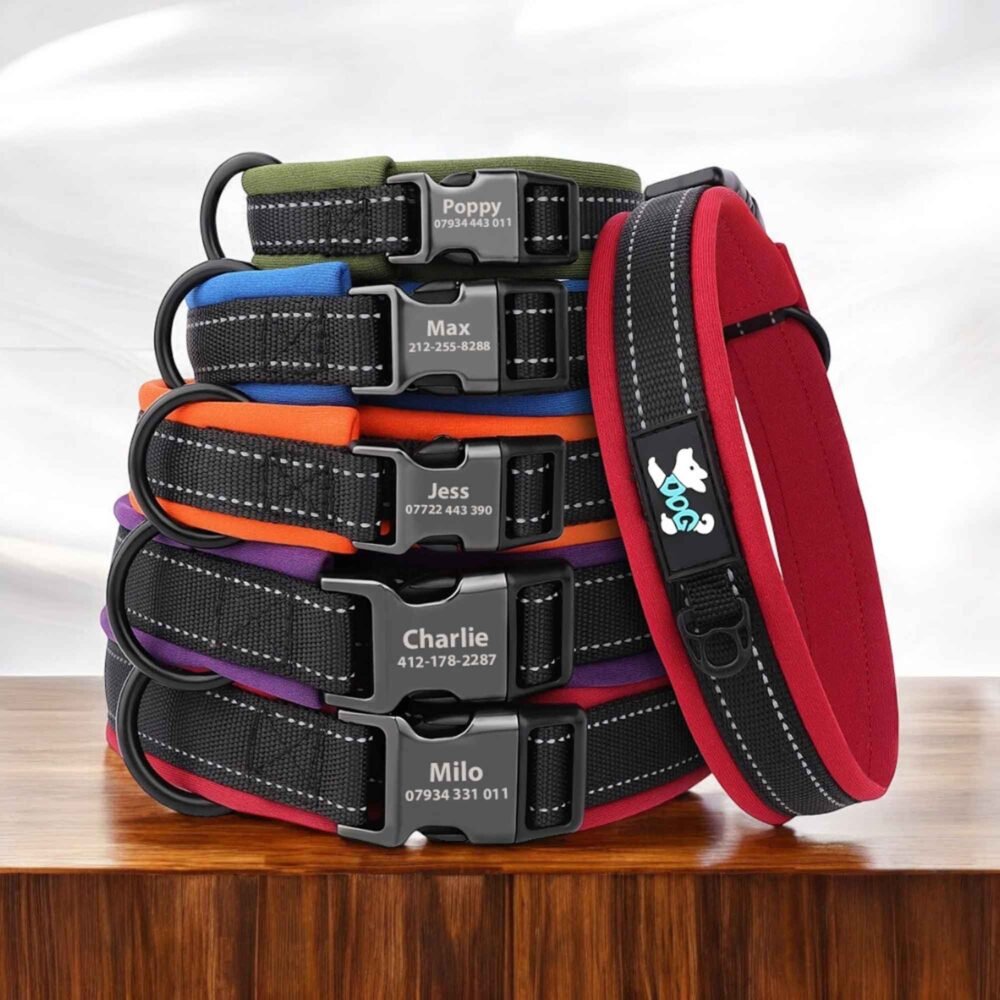
Reflective Nylon Dog Collar - Personalised Engraved ID, Padded
From £14.50
A padded, reflective nylon collar with free engraved ID, comfortable for young necks and helpful on darker autumn walks.
“Your aim is for your puppy to link the collar with good things, not with being handled or restrained.”
03Step 3: Introduce the collar in short, positive sessions
This is the step that makes the biggest difference. Your aim is for your puppy to link the collar with good things, not with being handled or restrained.
- Let them investigate. Place the collar on the floor and let your puppy sniff it. Reward calm curiosity with a small treat.
- Pick a relaxed moment. Just before a meal or a play session works well, as your puppy will quickly be distracted by something enjoyable.
- Fasten it, then distract. Put the collar on, give a treat straight away, then start a game or put down their food bowl.
- Keep it brief. Start with a few minutes, then remove the collar while your puppy is calm, not while they are scratching at it.
- Build up gradually. Over several days, increase the time until your puppy wears it happily for longer periods.
Scratching and head-shaking are normal at first and usually fade within a few days. Avoid fussing over it; calmly redirecting your puppy to a toy is more effective. If your puppy seems genuinely distressed, go back a stage and progress more slowly.
Always supervise your puppy in a new collar, and many owners remove it in the crate or at night to avoid any risk of it catching on something.
04Step 4: Add personalised ID and introduce the lead
Once your puppy is relaxed in their collar indoors, it is time to prepare for the outside world. Under the Control of Dogs Order 1992, dogs in a public place in Great Britain must wear a collar with the owner’s name and address on it or on an attached tag. Many owners also add a phone number so they can be contacted quickly. Our earlier guide on what to put on a dog tag covers this in more detail.
Remember that microchipping is a separate legal requirement: in England, Scotland and Wales, puppies must be microchipped by eight weeks old. A chip can only be read with a scanner, whereas a personalised collar lets anyone who finds your dog see straight away who to contact.
Introducing the lead
- Clip a light lead on indoors and let your puppy walk around with it trailing, under supervision.
- Pick up the lead and follow your puppy at first, keeping it loose.
- Encourage them to walk with you using treats and a cheerful voice, rewarding every few steps.
A matching set saves you shopping twice. The personalised nylon collar and leash set with leather name tag combines a light nylon collar with a personalised tag, or you can browse our full range of dog leads and sets.
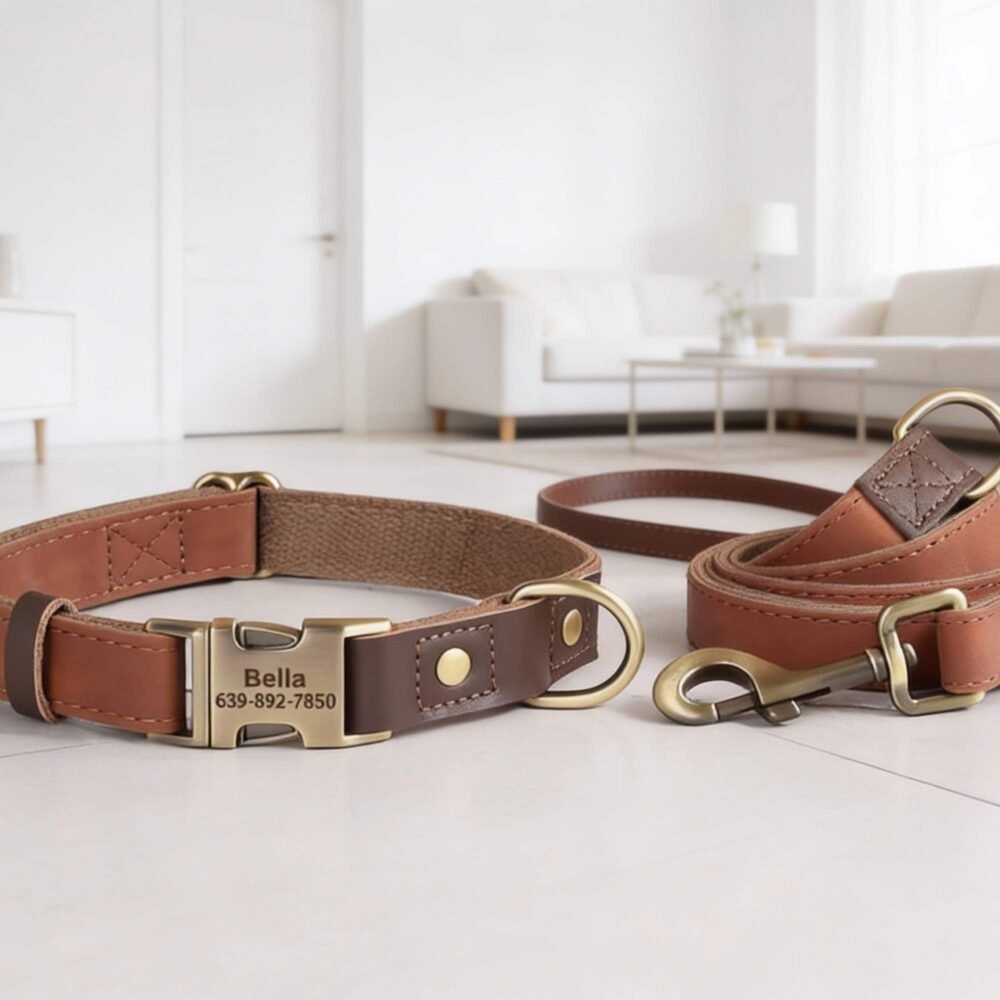
Personalised Faux Leather, Nylon Dog Collar, Leash Set, Custom Name Tag
From £18.50
A personalised faux leather and nylon collar and leash set that gives you everything you need for your puppy's first walks in one order.
05Step 5: Check and adjust as your puppy grows
Puppies can grow surprisingly fast, especially larger breeds, and a collar that fitted perfectly a fortnight ago may already be snug. Make fit checks part of your routine.
- Check weekly using the two-finger rule, and loosen the collar as needed.
- Look for rubbing or thinning fur under the collar, which can be a sign it is too tight or needs cleaning.
- Inspect the buckle and stitching regularly, as teething puppies sometimes chew collars.
- Keep ID up to date if you move house or change your phone number, and update your microchip database record too.
When your puppy reaches the end of the adjustment range, it is time for the next size. Many owners then choose a more durable adult collar, such as leather, once their dog is fully grown. If you notice any sore skin or swelling around the neck, speak to your vet.
Frequently asked questions
At what age can a puppy start wearing a collar?
You can introduce a lightweight collar as soon as your puppy comes home, usually from around eight weeks old. Keep early sessions short and supervised, and build up gradually.
Should my puppy wear a collar all the time?
Many owners leave the collar on during the day once their puppy is used to it, but remove it in the crate or overnight to reduce the risk of snagging. Your puppy must wear a collar with ID whenever they are out in public.
How long does it take a puppy to get used to a collar?
Most puppies stop noticing their collar within a few days to a week with short, positive sessions. Some take longer, so go at your puppy's pace and reward calm behaviour.
Is a microchip enough without a collar ID?
No. Microchipping is a legal requirement, but dogs in public must also wear a collar or tag with the owner's name and address, which anyone can read without a scanner.
Make it theirs
Every collar personalised with their name and your number – included in the price.
More from the blog
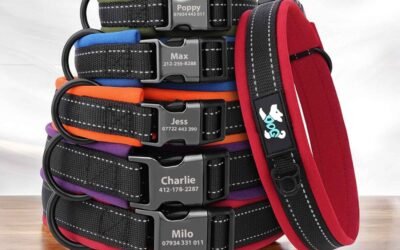
Dog Walking in the Dark: 7 Ways to Stay Safe This Autumn
With the clocks going back on 25 October, many of us will be walking our dogs in the dark. Here are seven simple ways to keep your dog visible, identifiable and safe.
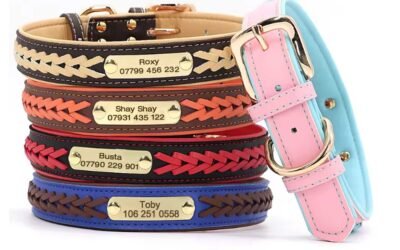
Personalised Dog Collar or ID Tag? Which Is Best for Your Dog
Dangling ID tag or personalised dog collar? What UK law requires, the pros and cons of each, and how to choose the best option for your dog.
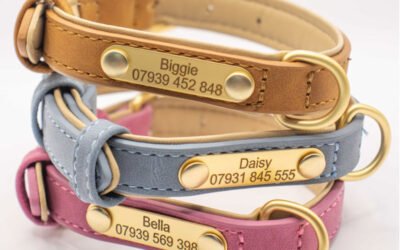
What to Put on a Dog Tag: UK Law Explained
What does UK law say must be on a dog tag? Find out what’s legally required, what to add, what to leave off, and whether you still need a tag if your dog is microchipped.
Personalise their collar
-
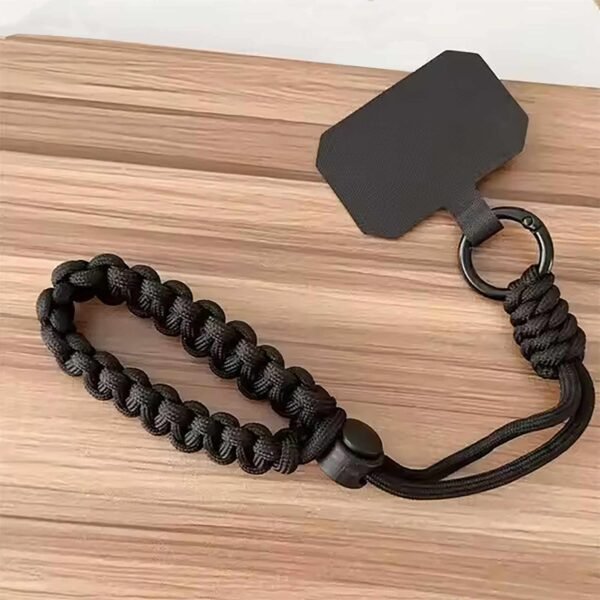
Handwoven adjustable mobile iPhone, Samsung, universal lanyard wrist strap
£7.99 -
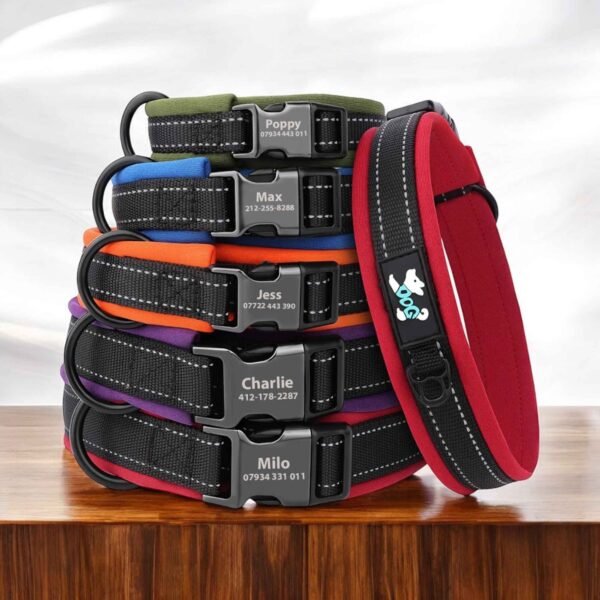
Reflective Nylon Dog Collar – Personalised Engraved ID, Padded
Price range: £14.50 through £17.00 -
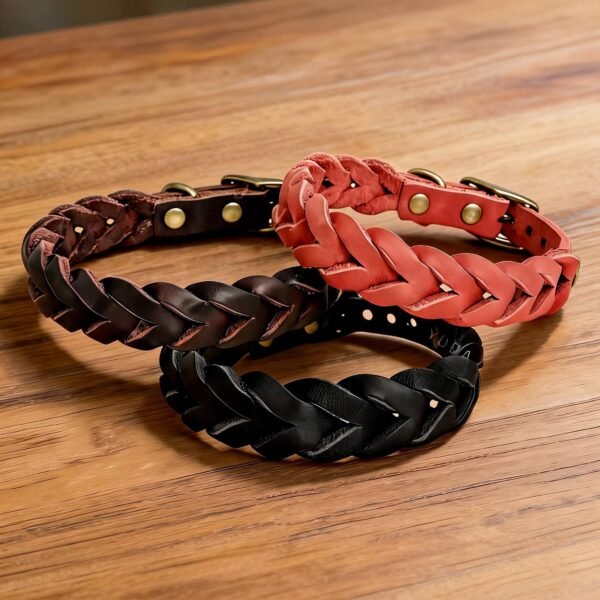
Braided Genuine Leather Dog Collar – Premium
Price range: £28.00 through £36.00 -
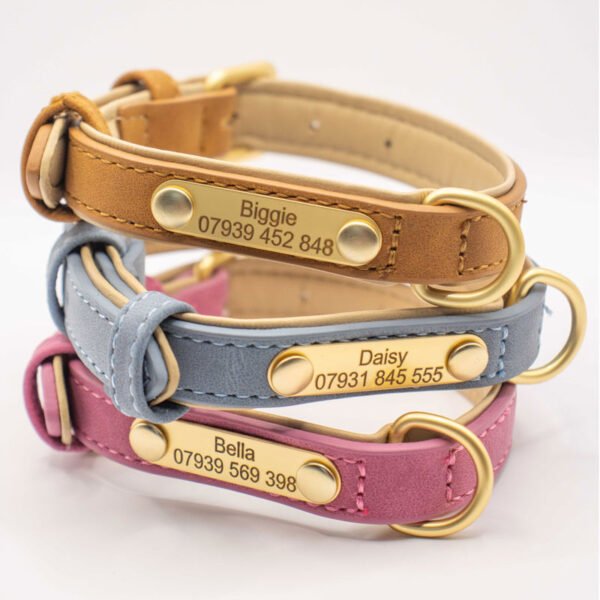
Customised Luxury Leather Dog Collar With Tag
Price range: £11.50 through £15.00
Personalise your puppy's first collar
Free personalisation on every collar.