
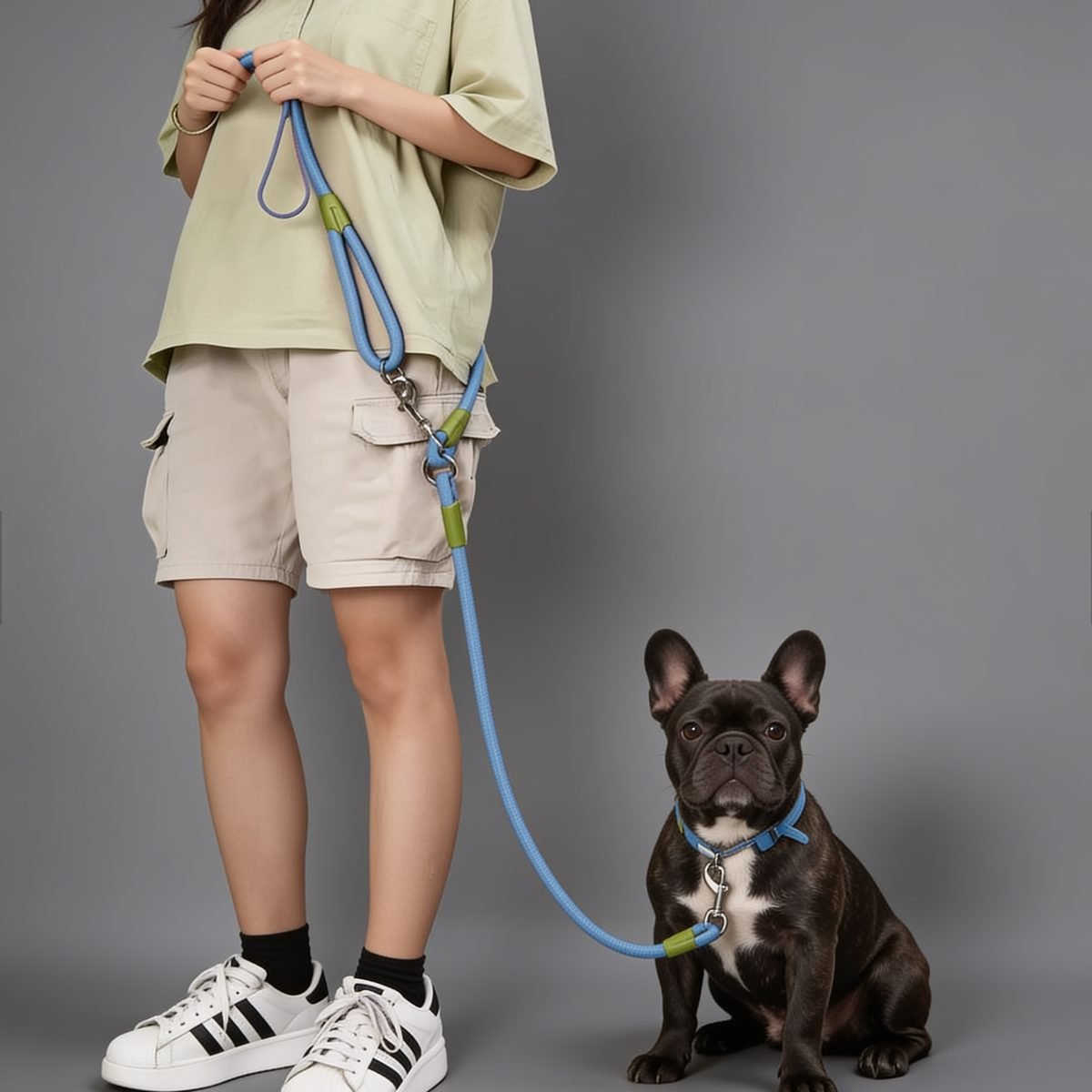
Fitness guide · 5 min read
Running With Your Dog: A Beginner’s Guide
Running with your dog is one of the easiest ways to get fit together. With the right start, it’s safe and fun for both of you. Here’s how to tell if your dog is ready, how to build up, and why a hands-free dog lead makes every run easier.
In short
- Wait until your dog is fully grown before running.
- Build up slowly with run–walk intervals.
- Use a hands-free lead clipped to a harness for better balance.
- Avoid running after meals or in the heat, and check paws afterwards.
- Stay visible and keep their ID on.
01Is your dog ready for running?
Running with your dog is one of the best ways to keep you both fit, but not every dog is a natural jogging partner. Before you start, check three things.
- Age – wait until your dog has finished growing. That’s usually around 12 months for small and medium breeds and up to 18 months for large and giant breeds. Running too early can damage growing joints.
- Breed and build – flat-faced breeds such as French bulldogs, pugs and boxers can struggle to cool down, so they’re better suited to brisk walks. Energetic breeds like spaniels, collies and vizslas usually love a run.
- Health – if your dog is older, overweight or has joint problems, ask your vet before you start. The Kennel Club also lists how much exercise each breed needs.
02Start running with your dog slowly
Think of it as a couch-to-5K for two. Start with a 5–10 minute warm-up walk, then mix short jogs with walking for around 15–20 minutes in total. Add a few minutes each week as your dog’s fitness (and paw pads) toughen up.
Watch for signs your dog has had enough: heavy panting, lagging behind or lying down. Grass and trails are kinder on joints than pavements, and finish every run with a slow cool-down walk.
[/et_pb_text]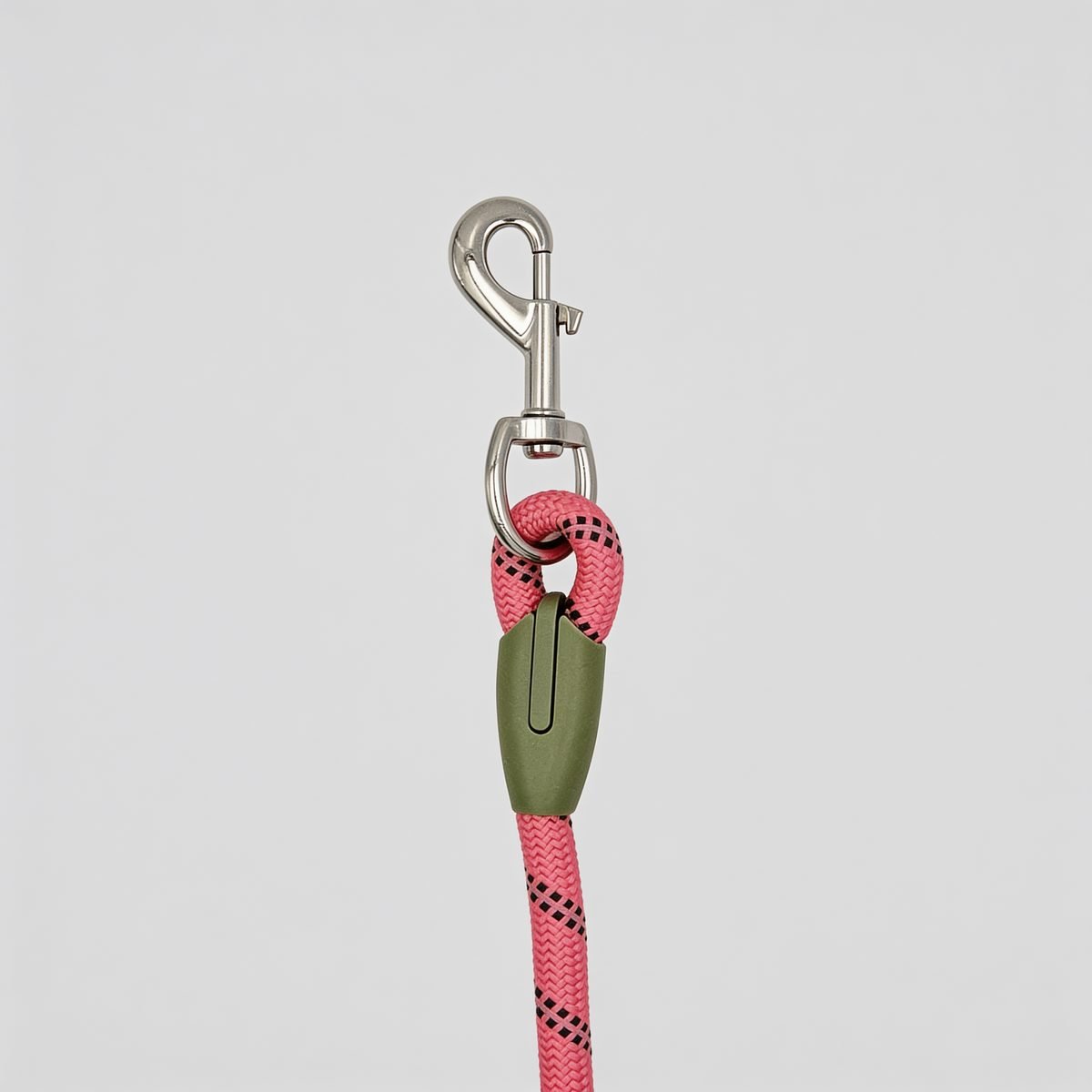
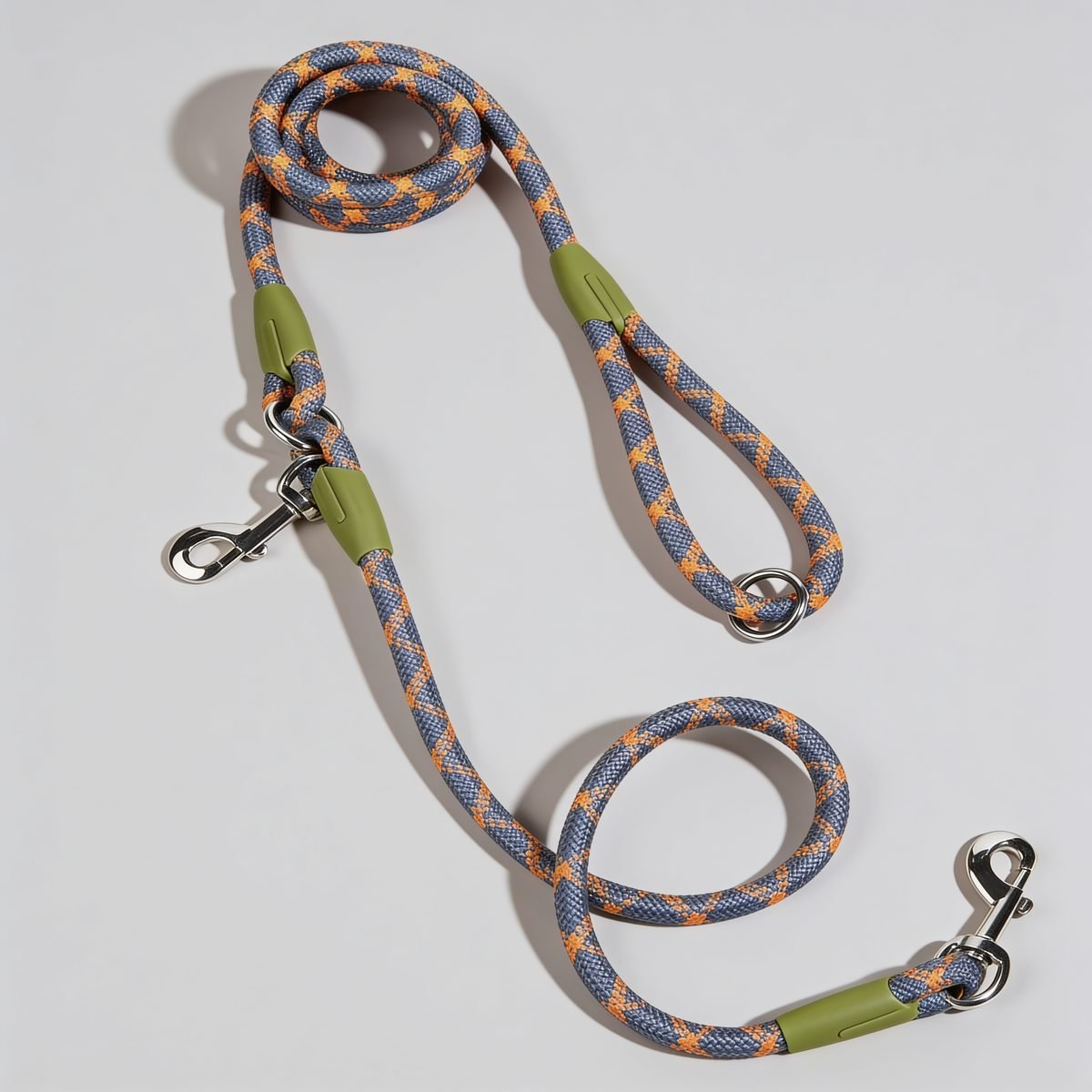
A strong metal trigger clip on a reflective rope dog lead.
03Why a hands-free dog lead makes running easier
Holding a lead while you run throws off your arm swing and balance, and a sudden lunge at a squirrel can pull you off your feet. A hands-free dog lead clips around your waist or across your body instead, so both hands stay free and your dog runs comfortably at your side.
- Better balance – your arms move naturally and your core takes the pull, not your shoulder.
- Safer in the dark – a reflective lead shows up in car headlights on winter mornings and evenings.
- Clip to a harness – for running, attach the lead to a well-fitted harness rather than the collar, so any pull spreads across the chest instead of the neck.
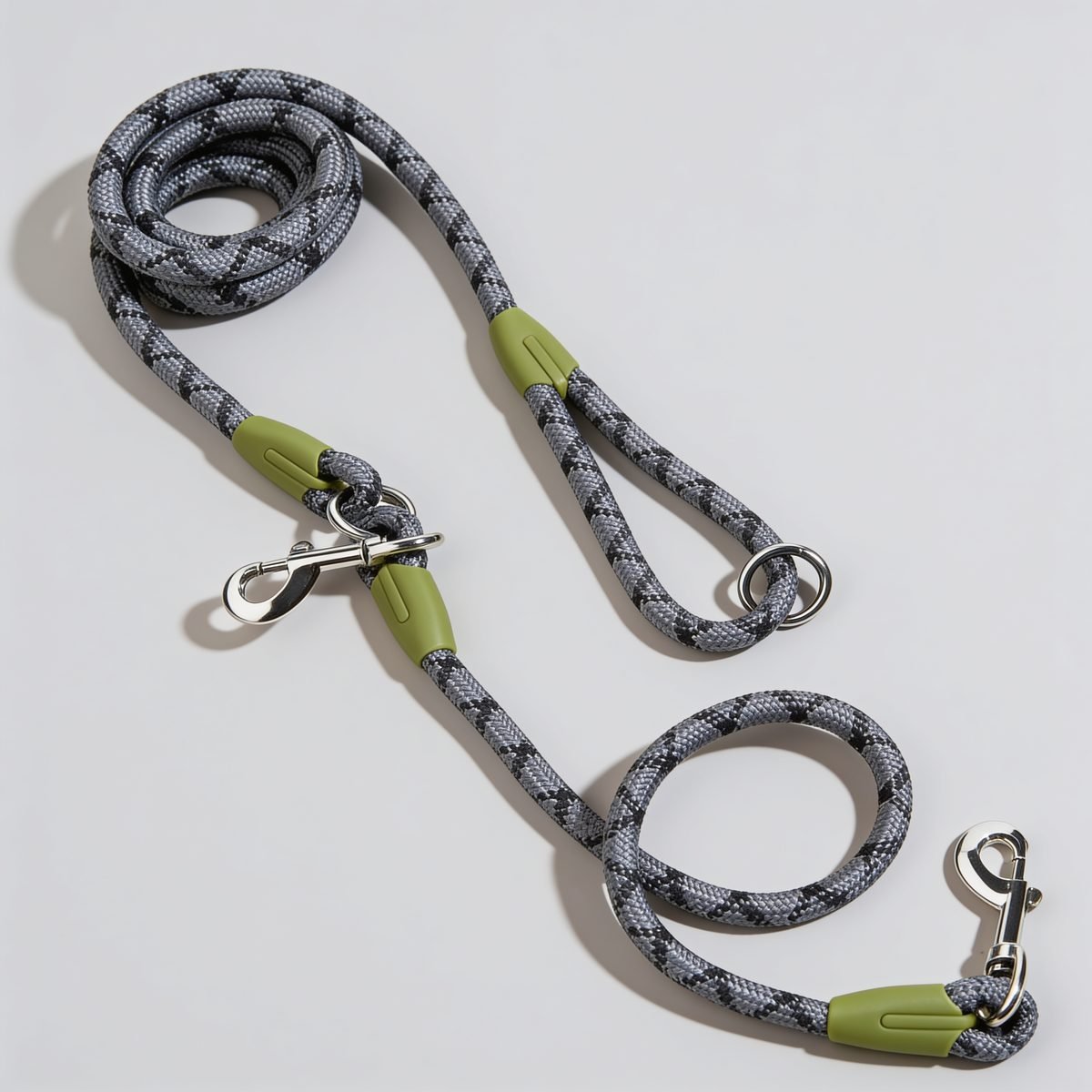
Hands Free Dog Lead – Reflective 240cm Rope Lead
From £16.50
Reflective nylon rope lead, 240cm long, worn around your waist or across your body. In five colours with free UK & worldwide delivery.
04Safety tips for running with your dog
- Don’t run straight after a meal – wait at least an hour or two after feeding, especially with deep-chested breeds.
- Bring water for both of you on anything over 20 minutes.
- Check the weather – on warm days run early or late, and test the pavement with the back of your hand: if it’s too hot to hold for 7 seconds, it’s too hot for paws.
- Be seen – wear something bright and use a reflective lead and collar. Our guide to dog walking in the dark has more tips.
- Check paws after every run for cuts, grit or sore pads.
- Keep their ID on – in the UK your dog must wear a collar with your name and address in public. Here’s what to put on a dog tag.
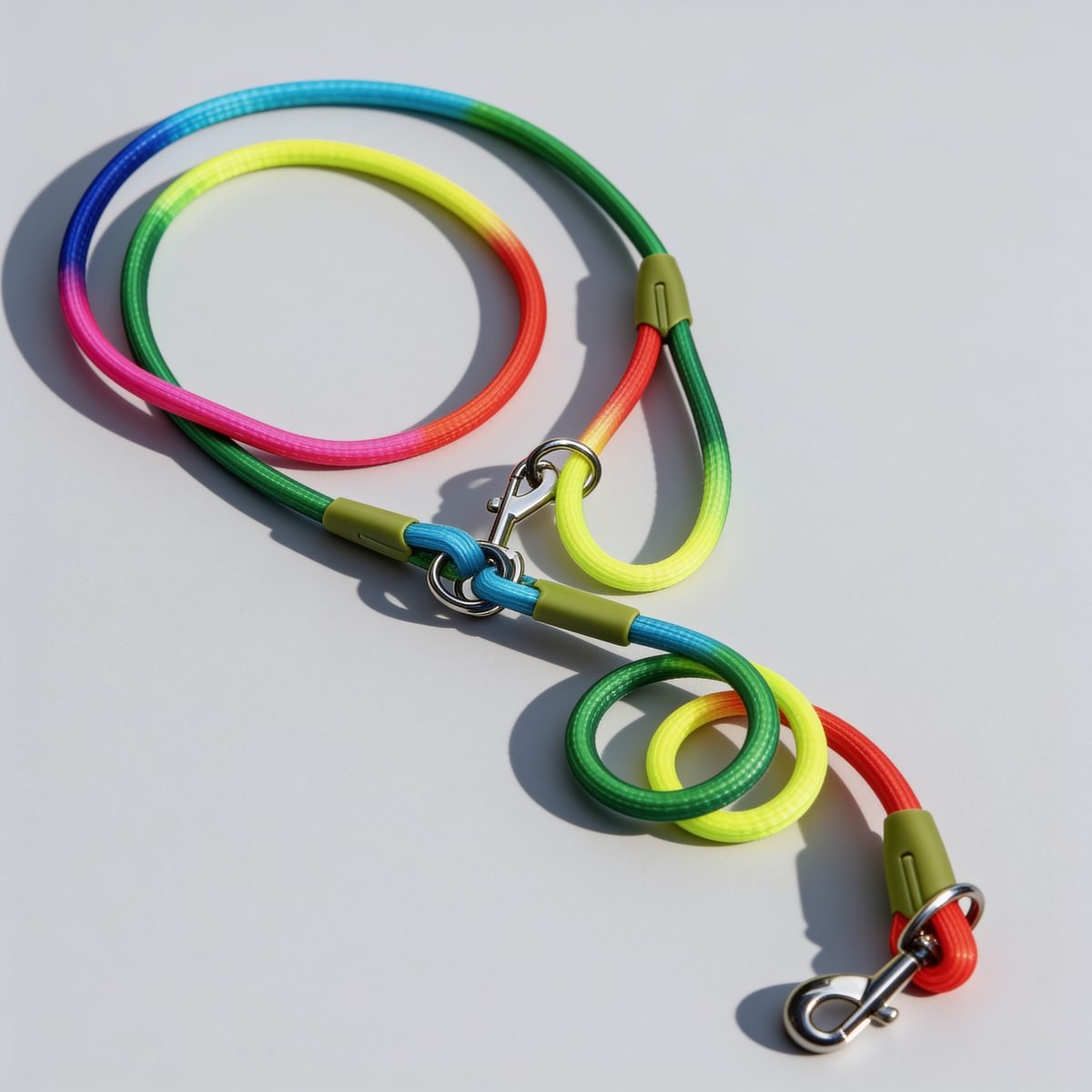
The hands-free lead comes in black, grey, blue, orange and a colourful rainbow rope.
05Ready for more? Try canicross running with your dog
Canicross is cross-country running with your dog attached to you by a waist belt and a stretchy line. There are friendly clubs and beginner-friendly events across the UK, and it’s a brilliant way to meet other dog-loving runners once you and your dog have built up your fitness.
[/et_pb_text]Running with your dog: FAQs
How old should my dog be before I start running with them?
Most dogs should be fully grown first – around 12 months for small and medium breeds and 12–18 months for large breeds. Ask your vet if you’re unsure.
How far can I run with my dog?
Start with 15–20 minutes of mixed walking and jogging and build up gradually. Many fit, healthy dogs happily manage 5K once they’re used to it.
Should I attach a running lead to a collar or a harness?
A harness is best for running, as it spreads any pulling across your dog’s chest. Keep their collar on too, with an ID tag showing your name and address.
Is a hands-free dog lead good for walking as well?
Yes. You can wear it around your waist or across your body on everyday walks, which leaves your hands free for coffee, poo bags or a phone.
Run hands free
Reflective rope lead in five colours. Free delivery, UK & worldwide.
More from the blog
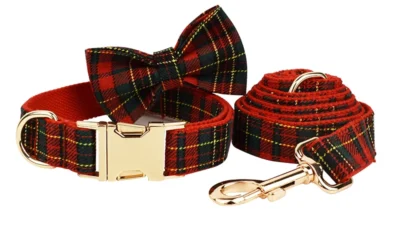
DIY Dog Advent Calendar: A Fun Christmas Countdown for Your Dog
Give your dog their own countdown to Christmas with a simple homemade advent calendar packed with safe treats, little adventures and a festive surprise on the final day.
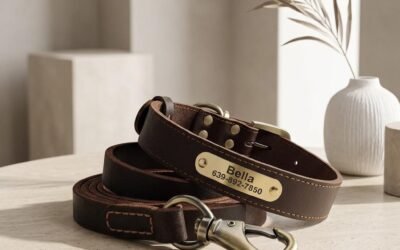
Gifts for Dog Lovers Who Have Everything: Personalised Ideas
Buying for someone whose dog already owns more than you do? These personalised gifts for dog lovers work because nobody else can give the exact same thing.
Bonfire Night: Ways to Keep Dogs Calm During Fireworks Compared
Fireworks season can be frightening for the animals we love most. We compare the gentlest ways to keep dogs calm during fireworks, with tips for cats too.
Personalise their collar
-
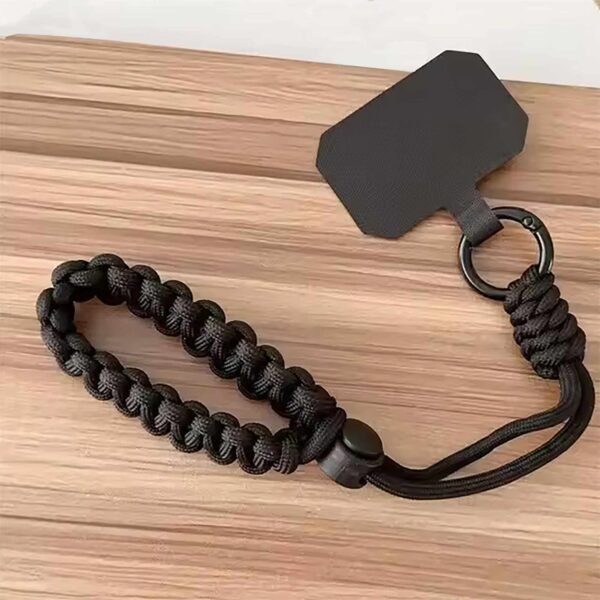
Handwoven adjustable mobile iPhone, Samsung, universal lanyard wrist strap
£8.49 -
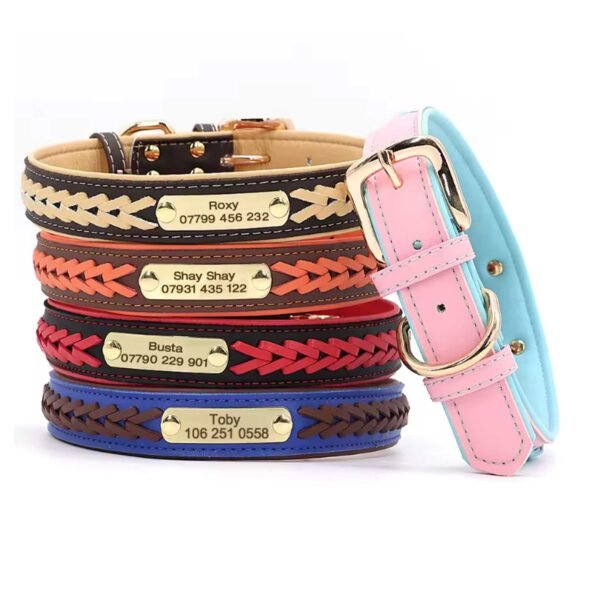
Braided Leather Dog Collar with Engraved Name Plate
Price range: £13.00 through £22.99 -
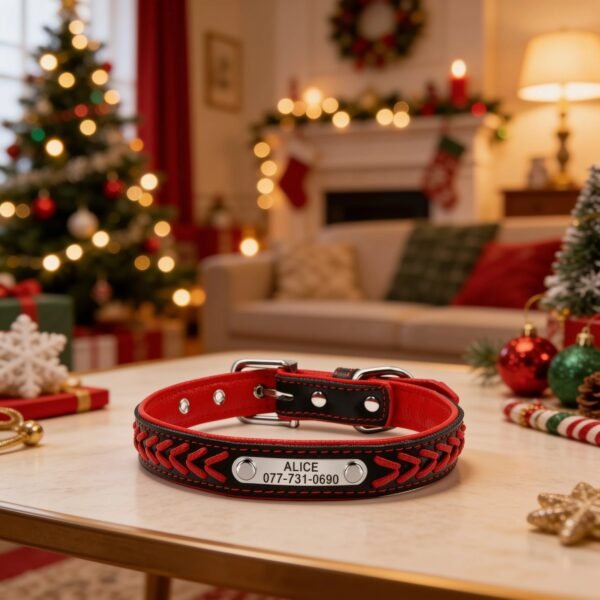
Christmas Red Braided Faux Leather Dog Collar – Personalised Engraved Name Plate
Price range: £13.00 through £22.99 -
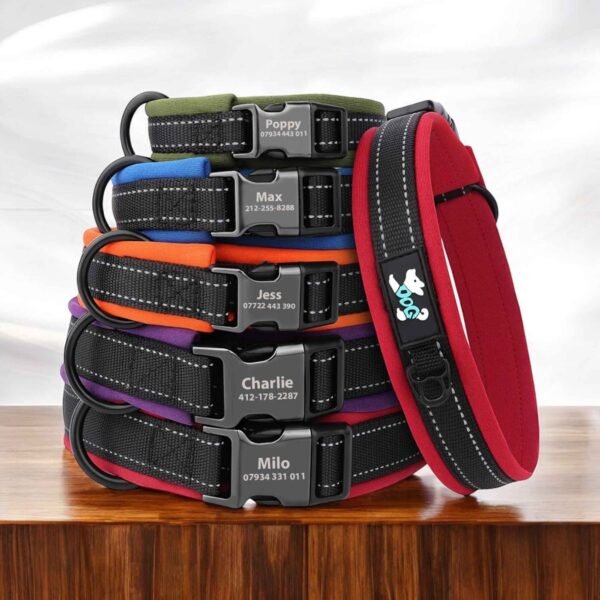
Reflective Nylon Dog Collar – Personalised Engraved ID, Padded
Price range: £15.50 through £18.00
Keep them safe on every run
Personalised collars engraved with your details – free personalisation, free delivery.